

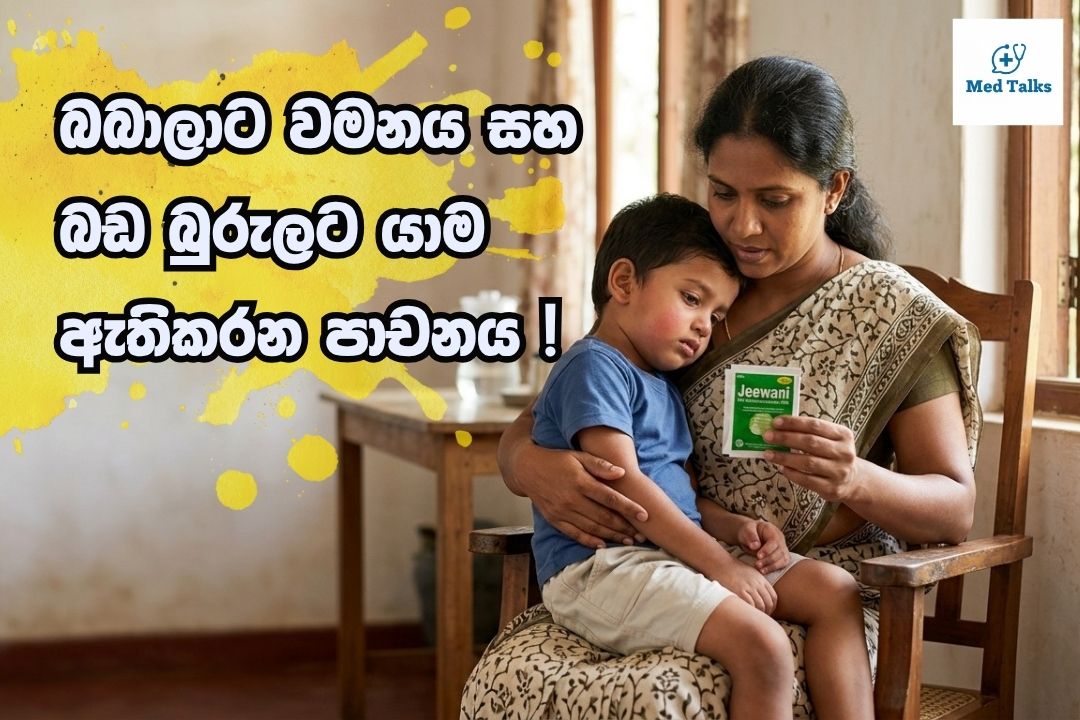
Dehydration is one of the major causes of death in infants and young children, especially when they develop severe vomiting and diarrhea.
Today we will discuss gastroenteritis, a condition that causes vomiting and loose stools in children.
Although viral infections of the digestive system are the most common cause, bacterial infections can also lead to this illness.
Symptoms of gastroenteritis in children include:
- Frequent vomiting and diarrhoea throughout the day
- Reduced intake of milk or food
- Decreased activity and lethargy
- Persistent abdominal pain
If these symptoms continue, the child should be taken to a doctor.
In most cases, antibiotics or specific medications are not needed for vomiting and diarrhoea.
The most important concern is dehydration, which occurs when large amounts of water and electrolytes are lost from the body.
A doctor will assess the level of dehydration and decide whether hospital admission is necessary. Therefore, it is important not to wait until the child becomes severely dehydrated before seeking medical care.
How to recognize dehydration in a child:
- Drowsiness or reduced consciousness
- Dry lips, sunken eyes
- No urine output or very reduced urination
- Pale, dry skin
- Rapid breathing
If these signs are present, the child should be taken to hospital immediately, as early treatment can save their life.
How to prevent dehydration:
- If the baby is breastfed, continue breastfeeding without interruption
- If not, give fluids frequently in small amounts
- Increase the total fluid intake compared to normal
- Offer fluids such as rice water (kanji)
- Give extra fluids after each episode of diarrhoea (about 50 ml each time)
- Monitor closely for signs of dehydration
If the child is at high risk of dehydration, Oral Rehydration Solution (ORS) should be given to reduce the risk.
Avoid giving fruit juices or carbonated drinks.
When the child is able to tolerate fluids without vomiting, start giving small amounts of food (such as a small piece of banana).
Once dehydration risk decreases:
- Continue normal breastfeeding for infants
- Gradually return to normal solid foods for older children
Preventing spread of infection:
To prevent the illness from spreading:
- Wash hands frequently with soap, especially after using the toilet, changing nappies, and before preparing or eating food
- Do not share towels used by the child
- Wash soiled clothes and bedsheets separately using hot water
- Keep the child away from school or nursery for at least 2 days after the last episode of vomiting or diarrhoea
In most children, vomiting improves within about 3 days, and diarrhea within about 5 days.