

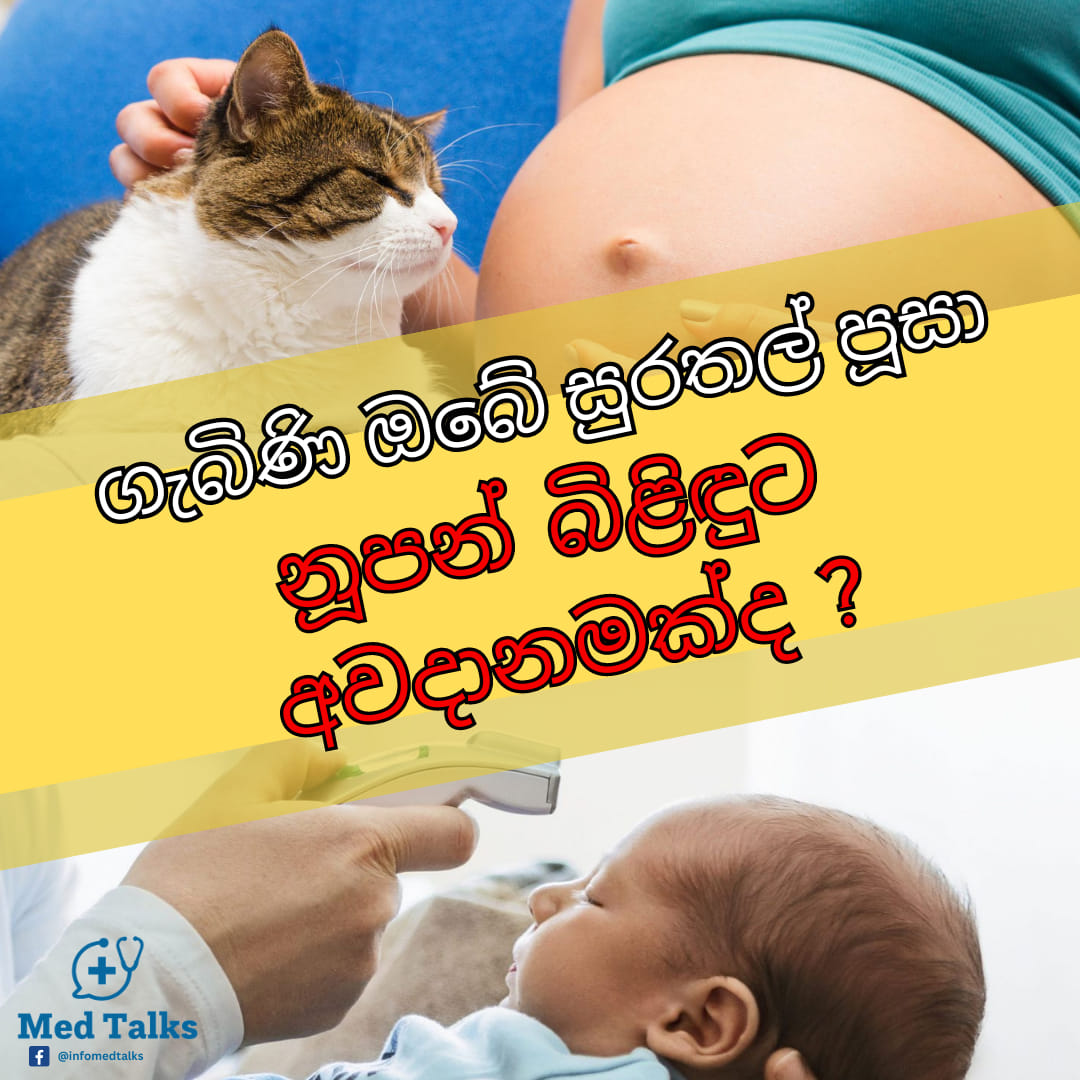
Pregnancy and Pet Cats: What You Should Know About Toxoplasmosis
Did you know that if you are pregnant, exposure to pet cats may increase the risk of an infection that could harm your unborn baby?
Toxoplasmosis is an infection caused by the parasite Toxoplasma gondii, which lives and reproduces in the intestines of cats. When an infected cat passes stool, it sheds millions of microscopic eggs (oocysts) into the environment.
If these oocysts contaminate your hands and are accidentally swallowed through food or enter your body through poor hand hygiene, infection can occur.
Another common source of infection is undercooked meat, particularly pork, lamb, and other meats that may contain the parasite in its tissue cyst form.
What are the risks during pregnancy?
If a woman becomes infected with toxoplasmosis during pregnancy, it can lead to serious complications, including:
- Miscarriage
- Preterm birth
- Pregnancy complications
The parasite can also cross the placenta and infect the developing baby, resulting in congenital toxoplasmosis.
After birth, affected babies may develop a range of health problems, including:
- Jaundice
- Enlargement of the liver and spleen
- Eye disorders that may affect vision
- Neurological or developmental problems
- Pneumonia and other complications
How can you protect yourself?
If you are pregnant:
- Avoid cleaning cat litter boxes or handling cat feces. If this cannot be avoided, wear gloves and wash your hands thoroughly afterward.
- Limit close contact with cats, especially stray cats.
- Wear gloves while gardening, as soil may be contaminated with cat feces.
- Wash your hands thoroughly with soap before eating, particularly if you have a cat at home.
- Drink safe, boiled, or properly treated water.
- Eat only well-cooked meat and avoid raw or undercooked meat.
- Use a separate cutting board and utensils for raw meat to prevent contamination of vegetables and other foods.
Key message
Owning a cat does not mean you must give up your pet during pregnancy. Instead, practicing good hygiene, avoiding contact with cat feces, and ensuring food is prepared safely can significantly reduce the risk of toxoplasmosis and help protect both you and your baby.