

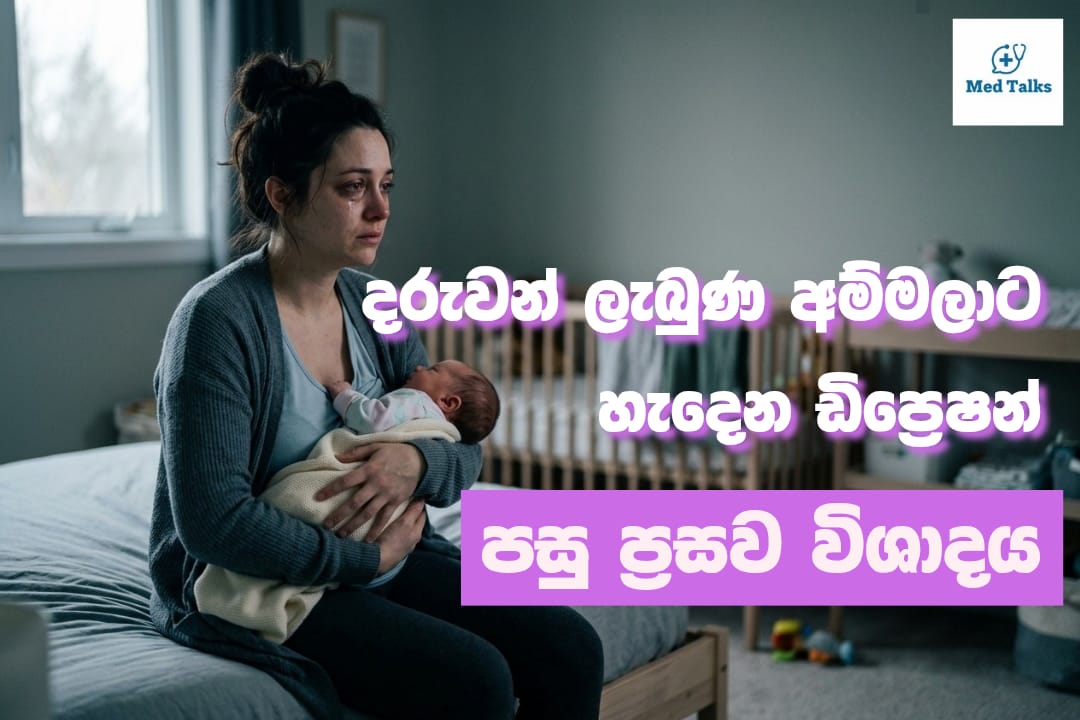
Depression can develop quite easily in mothers after childbirth. Preventing it is a responsibility shared by the entire family.
During pregnancy, an expectant mother is often cared for with great love and attention by her husband and family members. However, once the baby is born, much of the family's attention naturally shifts to the newborn.
As a result, the mother may not receive the emotional support and affection she needs, which can negatively affect her mental health.
Around 70% of mothers experience temporary mood changes or emotional sensitivity after childbirth, commonly known as the "post partum blues." These symptoms usually resolve within one to two weeks.
However, approximately 15% of mothers develop postpartum depression, a mental health condition that requires attention and treatment.
Although postpartum depression commonly develops within the first 12 weeks after delivery, it can occur at any time during the first year after childbirth.
How can you recognize postpartum depression?
Warning signs include:
- Persistent sadness or frequent crying
- Thoughts of harming the baby
- Loss of interest in oneself or the baby, emotional numbness, or constantly believing that something is wrong with the baby
- Excessive worries such as "My baby will become sick" or "My breast milk is not enough"
- Difficulty sleeping or sleeping excessively
- Feeling hopeless about life or having thoughts of self-harm
What causes postpartum depression, and how can it be prevented?
Hormonal and physical changes during pregnancy and after childbirth contribute to the development of postpartum depression. In addition, factors such as lack of emotional support from a partner, family conflicts, or stress from living with extended family members can increase the risk.
Since postpartum depression is a medical condition, professional treatment is essential. Assuming that it will simply go away without seeking help may lead to:
An increased risk of ongoing or recurrent depression in the mother
Weakened bonding between the mother and baby, which may affect the child's emotional and psychological development
If you are a mother who is pregnant or has recently given birth
If you experience one or more of these symptoms:
- Talk openly with your husband, family members, or trusted friends.
- Seek advice from your Public Health Midwife during your postnatal clinic visits.
- Consult a doctor or another qualified healthcare professional for assessment and treatment.
If you are a husband, mother-in-law, or another family member in a home with a new mother
You can support her by:
- Helping care for the baby
- Assisting with household chores
- Ensuring she gets enough rest
- Making sure she takes prescribed medications at the correct dose and time
- Providing nutritious meals and adequate fluids
By offering practical help, emotional support, and understanding, you can contribute significantly to the mother's mental well-being and help ensure the health and well-being of both mother and baby.