

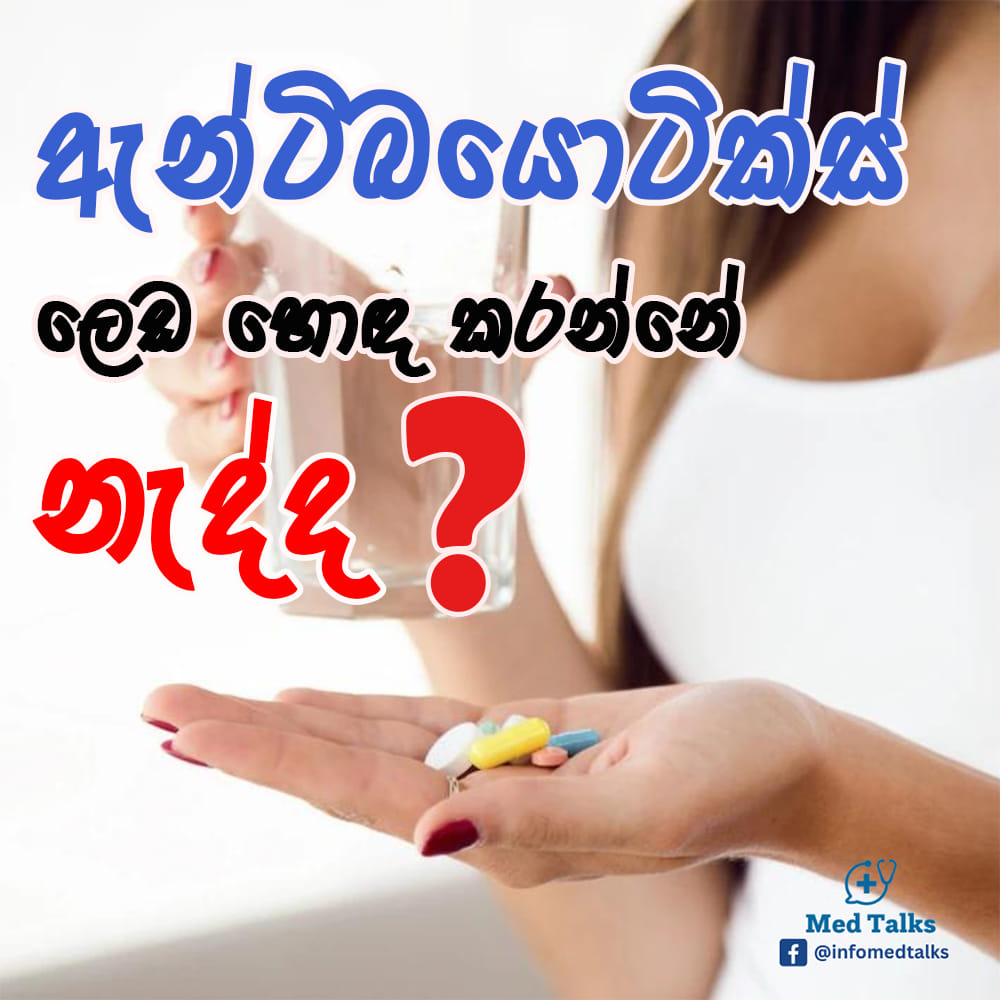
Antibiotics (Antibacterial Medicines) and Why They May Stop Working in the Future
Did you know that antibiotics may eventually stop working against your body? And that human behavior is largely responsible for this?
What are antibiotics?
Doctors prescribe antibiotics when you have a bacterial infection. These medicines are designed to kill harmful bacteria living inside your body that are causing disease.
However, due to incorrect use by patients and sometimes healthcare practices, bacteria can gradually adapt and become resistant to these medicines. This is known as:
Antibiotic resistance
What is antibiotic resistance?
Antibiotic resistance occurs when bacteria change over time and become able to survive even in the presence of antibiotics that used to kill them.
Because of this, the same antibiotics that once worked may no longer be effective.
Why is antibiotic resistance dangerous?
When resistant bacteria increase due to misuse of antibiotics:
- Infections become harder to treat
- Common antibiotics may no longer work
- Patients may need stronger, more expensive, or more complex treatments
- Hospital stays may become longer
- The risk of complications and death may increase
Infections caused by resistant bacteria are often more severe than normal infections.
How can antibiotic resistance be prevented?
1) Complete the full course of antibiotics
Even if you start feeling better, do not stop antibiotics early unless advised by your doctor.
Stopping early may kill only part of the bacteria. The surviving bacteria may become stronger and resistant, leading to future treatment failure.
2) Do not use antibiotics for viral infections
Antibiotics work only against bacteria, not viruses.
Most common illnesses like:
- Common cold
- Flu
- Most sore throats are caused by viruses, and antibiotics will not cure them.
Using antibiotics unnecessarily can actually contribute to resistance.
3) Do not take antibiotics without medical advice
Never buy or use antibiotics without a doctor’s prescription.
Different bacterial infections require different types of antibiotics. Self-medication or using leftover antibiotics from someone else may:
Fail to treat your infection properly
Promote antibiotic-resistant bacteria in your body
Misuse of antibiotics not only harms your own health but also contributes to a serious global problem affecting the entire community.
Using antibiotics responsibly—only when prescribed, in the correct dose, and for the full duration—is a shared responsibility to protect both your health and public health