

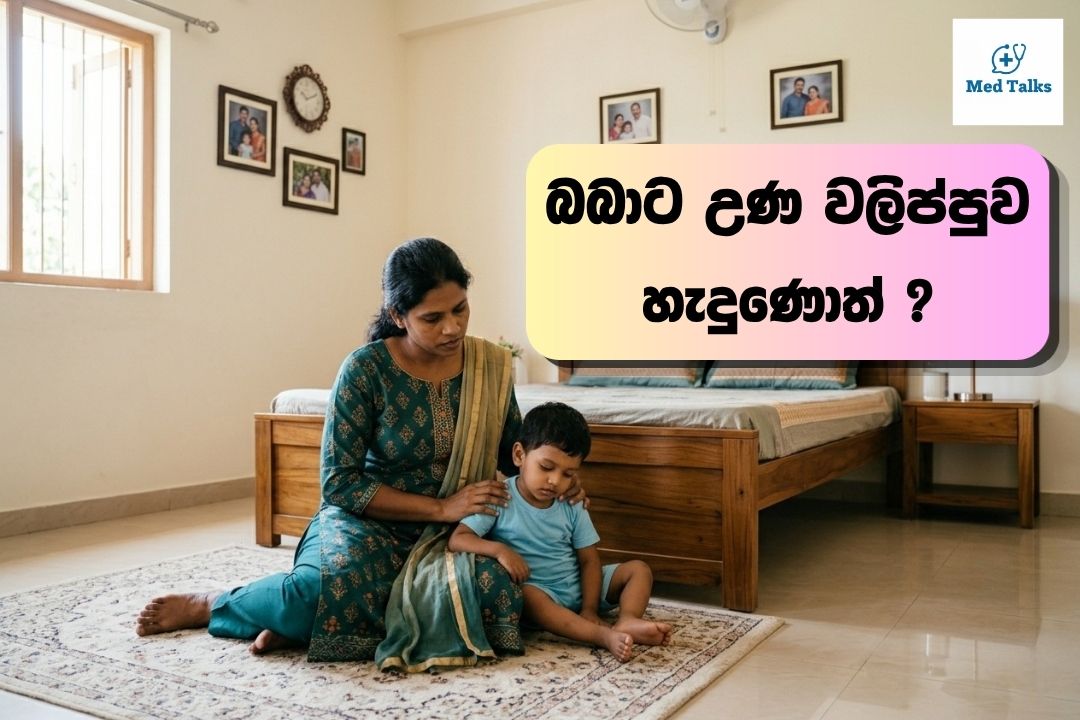
Febrile Convulsions (Febrile Seizures) – What should you do if a child has one?
If a small child develops fever and then suddenly becomes stiff and starts shaking, it may be a febrile convulsion (febrile seizure). What should you do in such a situation?
Febrile convulsions are seizures that can occur in children between 6 months and 6 years of age. They happen when fever causes temporary changes in brain activity.
During a seizure, a child with fever may become stiff and start jerking or shaking. Their eyes may roll upwards, foam may come from the mouth, and there may be involuntary passing of urine or stool.
In most cases, these seizures stop on their own within 15 minutes.
Sometimes, the seizure may even occur before the fever becomes noticeable.
It is very important to be prepared and know what to do if this happens.
What should you do?
The most important thing is to stay calm. Panic can lead to actions that may accidentally harm the child.
If a seizure occurs:
- Lay the child gently on their side (preferably the left side), either on a bed or on the floor.
- If saliva or foam is present, gently wipe it away with a clean cloth.
- Do NOT put anything inside the child’s mouth.
- Loosen tight clothing, especially around the neck.
- Stay with the child and observe carefully for up to 5 minutes.
If the seizure lasts more than 5 minutes, take the child to the nearest hospital immediately.
When transporting the child, keep them lying on their side.
What NOT to do during a seizure:
- Do not lift or hold the child tightly.
- Do not pour water on the child.
- Do not immerse the child in water.
- Do not use cold or hot water to try to reduce fever suddenly.
- Do not try to force the mouth open using spoons, sticks, or any object.
- Do not place metal objects in the mouth.
- Do not give water or any liquids orally during the seizure.
- Do not put anything in the child’s mouth.
Febrile convulsions cannot be completely prevented just by controlling fever. Paracetamol can reduce fever and make the child more comfortable, but it does not fully prevent seizures.
A child who has had a febrile seizure once has a risk of experiencing it again during future fever episodes.
However, febrile seizures do NOT cause long-term brain damage, learning difficulties, or developmental problems.
There may be a higher risk if there is a family history of febrile convulsions.