

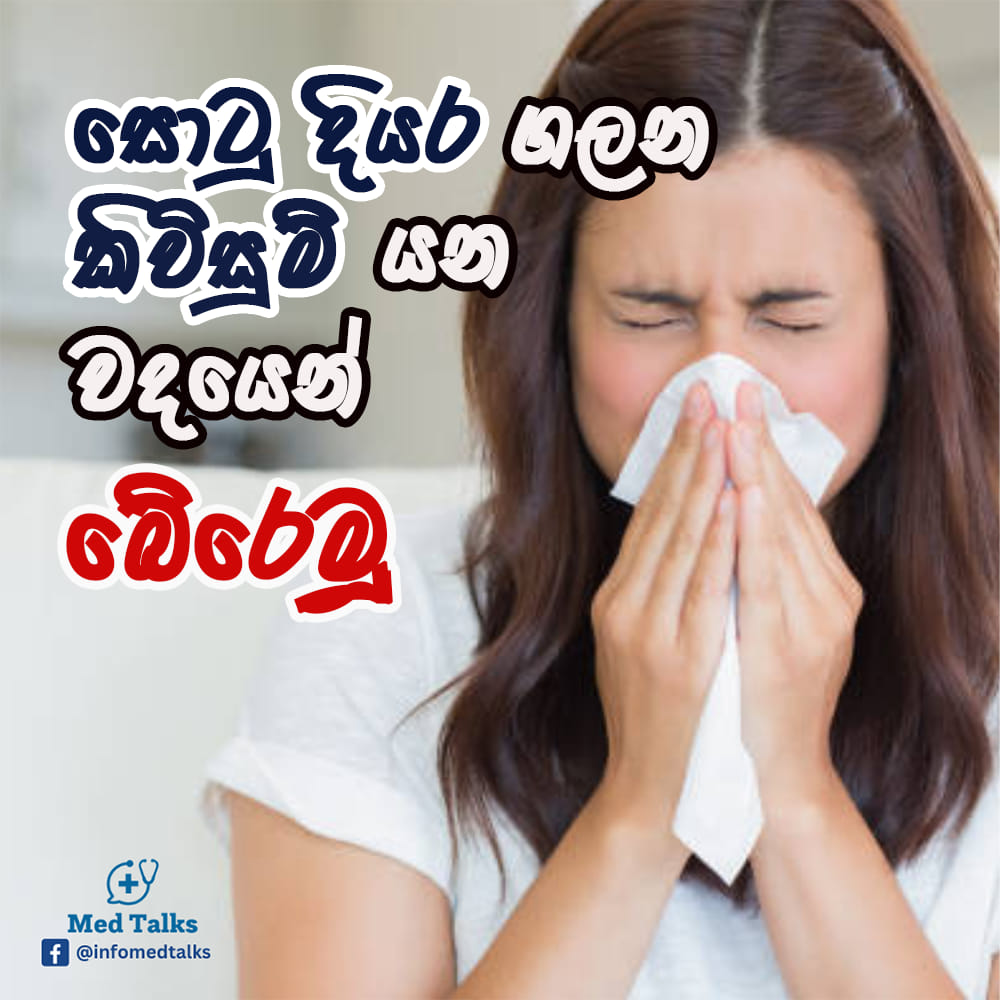
Are You Troubled by a Runny Nose and Frequent Sneezing? Here's What You Need to Know
Do you often suffer from a runny nose and repeated sneezing? Do you know how to manage these symptoms?
One of the most common causes is allergic rhinitis, a condition in which the lining of the nasal passages becomes inflamed due to an allergic reaction.
Why does allergic rhinitis occur?
Allergic rhinitis often runs in families, so if a close family member has the condition, you may be more likely to develop it as well. People with allergic rhinitis have a highly sensitive nasal lining that reacts strongly to certain substances.
When they are exposed to these allergens, the nasal lining becomes swollen and produces excess mucus, leading to the characteristic symptoms.
Common allergy triggers
- House dust and house dust mites
- Pet fur or dander
- Pollen from flowers and plants
Symptoms of allergic rhinits
The most common symptoms include:
- Runny nose
- Frequent sneezing
- Nasal congestion or blockage
Other symptoms may include:
- Headache or a feeling of heaviness in the head
- Mouth breathing due to a blocked nose
- Red, watery, or itchy eyes
- Sore throat
- Ear pain or reduced hearing caused by nasal congestion
How can allergic rhinitis be managed?
The most effective way to control allergic rhinitis is to avoid the substances that trigger your allergies.
Some practical measures include:
- Minimize exposure to dusty environments.
- Clean your home regularly to reduce dust and house dust mites.
- If you have pets such as dogs or cats, groom and bathe them regularly (at least once a week, where appropriate) and keep living spaces clean.
When should you seek treatment?
If your symptoms are severe enough to interfere with your daily activities or quality of life, you should seek medical advice.
Treatment options may include:
- Intranasal corticosteroid sprays to reduce inflammation and swelling of the nasal passages.
- Antihistamine tablets to relieve allergy symptoms such as sneezing, runny nose, and itching.
When these medications are used correctly under the guidance of a healthcare professional, allergic rhinitis can usually be controlled effectively.
Although allergic rhinitis is a chronic condition for many people, identifying and avoiding your triggers, maintaining a clean environment, and using prescribed medications appropriately can significantly reduce symptoms and improve your quality of life.