

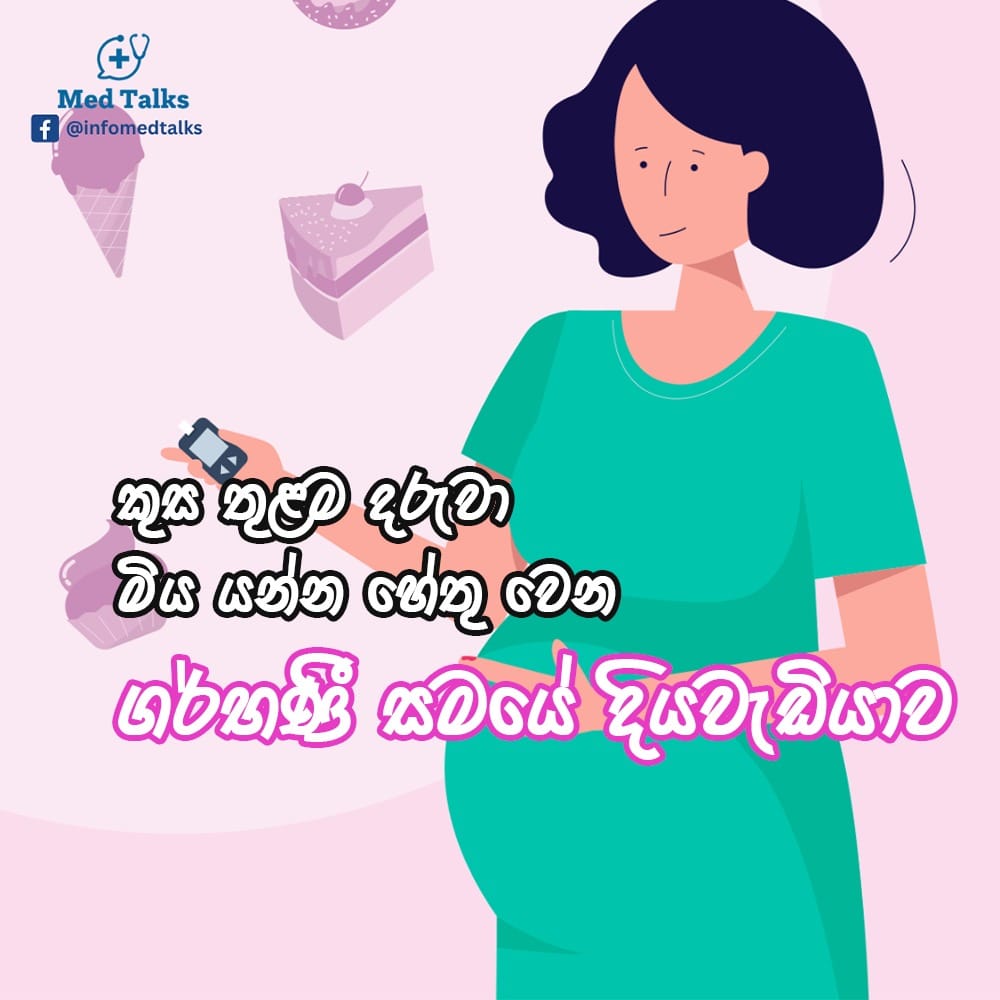
Did you know that gestational diabetes can increase the risk of a baby dying in the womb? Learn how this condition can be managed and what you can do to ensure a healthy pregnancy and a healthy baby.
Even women who have never been diagnosed with diabetes can develop gestational diabetes mellitus (GDM) due to the hormonal changes that occur during pregnancy. In many cases, it is diagnosed through the Oral Glucose Tolerance Test (OGTT) performed around 28 weeks of pregnancy.
What are the risks of gestational diabetes?
If gestational diabetes is not properly controlled, it can lead to several complications for both the mother and the baby.
Risks to the baby
- In severe cases, there is an increased risk of stillbirth (the baby dying in the womb).
- After 32 weeks of pregnancy, mothers should monitor their baby's movements carefully. If the baby moves less than usual or stops moving for an extended period, they should seek immediate medical attention.
- The baby may grow larger than expected (macrosomia), resulting in a high birth weight.
- There may be an increased likelihood of requiring a Caesarean section instead of a normal vaginal delivery.
- The mother may develop polyhydramnios (excess amniotic fluid).
If you already have diabetes before pregnancy
Women who have pre-existing diabetes can also have healthy pregnancies, but there is a higher risk of complications if blood sugar levels are not well controlled.
Possible complications include:
- Increased risk of miscarriage or birth defects.
- Urinary tract infections and vaginal yeast infections.
- Pregnancy-induced high blood pressure (preeclampsia).
- Eye complications related to diabetes.
Can women with diabetes have healthy babies?
Yes. Women with diabetes can have healthy pregnancies and healthy babies. However, planning the pregnancy before conception is extremely important to minimize complications.
The baby's organs begin developing during the first 42 days of pregnancy, often before a woman realizes she is pregnant. Poor blood sugar control during this critical period increases the risk of birth defects.
How should you plan for a healthy pregnancy?
1. Use effective contraception until you are ready
Before trying to conceive, use an effective family planning method and seek advice from:
- Your doctor
- Your local Medical Officer of Health (MOH) office
- Your Public Health Midwife (PHM)
- Family planning services
2. Achieve good blood sugar control before pregnancy
Long-term blood sugar control should be optimized before conception. Your healthcare team—including your doctor, diabetes educator, and dietitian—can help you achieve this.
Government hospital obstetric and gynecology units also provide pre-pregnancy counseling and care. Couples planning to have a baby are encouraged to attend these clinics at least six months before conception.
3. Take folic acid supplements
Taking a daily folic acid tablet for at least three months before pregnancy helps reduce the risk of certain birth defects.
Women with diabetes are usually prescribed a higher dose of folic acid by their doctor.
4. Review your medications
Show all your current medications to your doctor before becoming pregnant. Some diabetes medications may not be safe during pregnancy and may need to be changed.
5. Screen for diabetes-related complications
Before pregnancy, it is important to check for:
- Eye disease
- Kidney disease
- Nerve damage
- High blood pressure
Managing these conditions beforehand helps improve pregnancy outcomes.
6. Maintain a healthy body weight
Reaching and maintaining a healthy weight before pregnancy reduces the risk of complications. A dietitian can provide personalized nutrition advice.
What if the pregnancy was unplanned?
An unplanned pregnancy does not mean the baby will be unhealthy.
However, the earlier diabetes is diagnosed and controlled, the lower the risk of complications for both mother and baby. Therefore, seek medical care as soon as you know you are pregnant.
How is diabetes managed during pregnancy?
At your first antenatal (booking) visit, your blood sugar will be assessed.
An OGTT is routinely performed at 28 weeks to screen for gestational diabetes.
If gestational diabetes is diagnosed:
- You may be advised to monitor your blood sugar levels at home every day and keep a record.
- Take all prescribed medications or insulin at the correct dose and time.
- Follow the dietary advice provided by your healthcare team.
Healthy eating recommendations
Reduce sugary foods and refined carbohydrates, and choose healthier options such as:
- Brown rice or unpolished rice
- Whole grains
- High-fiber vegetables such as okra and snake gourd
Attend all scheduled antenatal and diabetes clinic appointments without fail.
After delivery
After birth:
- The baby's blood sugar level may fall, so frequent breastfeeding is encouraged to help maintain normal glucose levels.
- The mother should have a blood sugar test 6–12 weeks after delivery.
- If the result is normal, blood sugar should be checked once every year thereafter.
- Continue eating a balanced diet, exercising regularly, and maintaining a healthy weight.
- Use appropriate family planning methods, and consult your doctor before planning another pregnancy.
Long-term health of the child
Children born to mothers who had gestational diabetes have a higher risk of developing obesity and type 2 diabetes later in life.
Parents can help reduce this risk by:
- Encouraging a balanced diet from an early age
- Promoting regular physical activity
- Maintaining a healthy body weight
If needed, seek advice from a dietitian to support healthy growth and development.
With early diagnosis, good blood sugar control, regular antenatal care, and appropriate lifestyle measures, most women with gestational diabetes can have healthy pregnancies and give birth to healthy babies.