

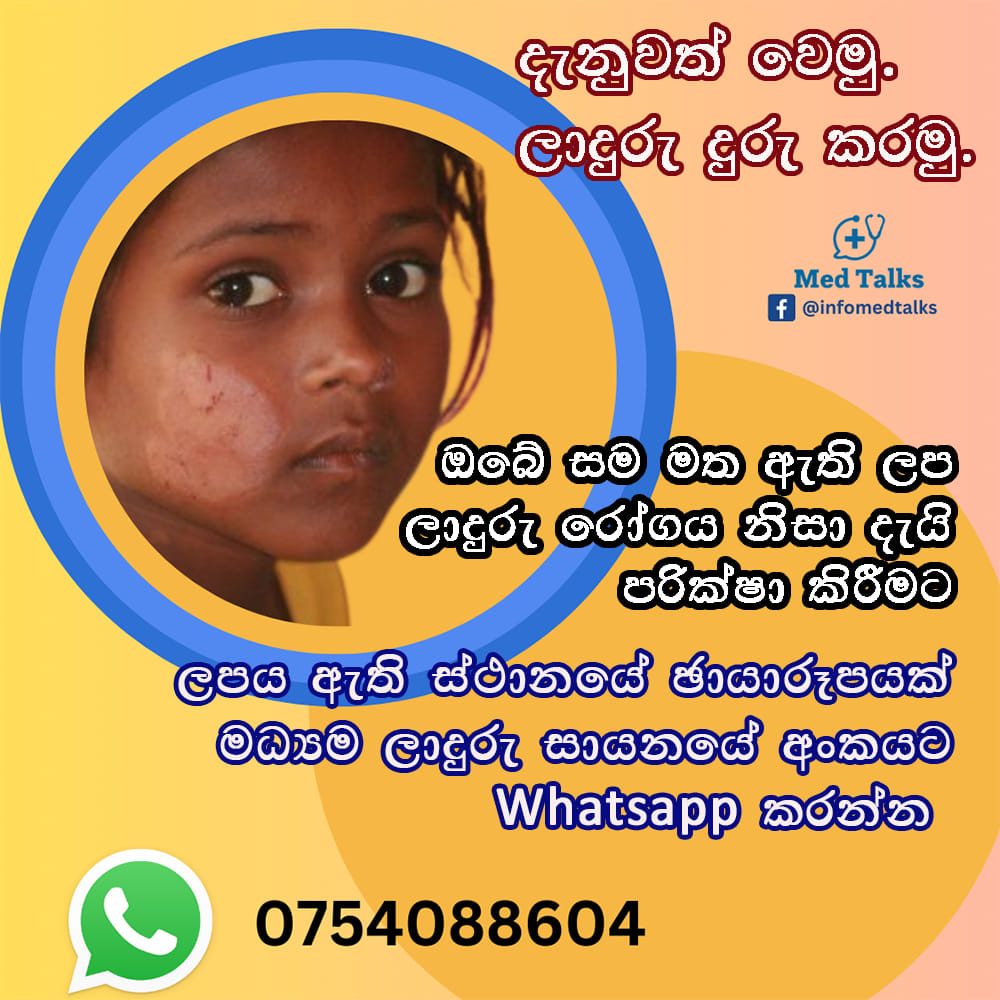
Leprosy Still Exists in Sri Lanka!
The pale or reddish patches on your skin could be a sign of leprosy.
Leprosy is a bacterial disease that affects the skin and nerves. Although it is curable, early diagnosis and treatment are essential to prevent permanent complications.
In Sri Lanka, around 2,000 new cases of leprosy are diagnosed each year.
If diagnosis and treatment are delayed, the disease can lead to:
- Clawing or shortening of the fingers
- Numbness in the hands and feet
- Loss of sensations such as touch and temperature
- Permanent disability
For this reason, being aware of the signs and seeking medical attention early is extremely important.
What are the symptoms of leprosy?
- Pale or reddish patches or plaques on the skin
- These patches may have reduced or complete loss of sensation
- The pale patches are usually not itchy or painful; numbness may be present in areas other than the face
- Red, thickened areas or nodules on the face and earlobes
- Tingling or numbness in the hands and feet
What should you do if you suspect leprosy?
If you notice a suspicious patch or lesion on your skin, you can send a clear photograph of the affected area to the Central Leprosy Campaign WhatsApp number (075 408 8604). A doctor will review the image and provide appropriate advice and guidance through WhatsApp.
If you are diagnosed with leprosy, the disease can be completely cured by attending a leprosy clinic and completing the full course of treatment, which usually lasts 6–24 months.
You can visit the dermatology clinic at your nearest hospital or, if you are in the Colombo area, attend Room No. 12 at the National Hospital of Colombo directly.
Patients who take their treatment regularly do not transmit the disease to others, so they can continue their normal daily activities without interruption.
Unfortunately, many patients in Sri Lanka seek treatment only in the later stages of the disease. Increasing awareness of the signs of leprosy and encouraging early diagnosis are essential steps in reducing the burden of this preventable cause of disability.