

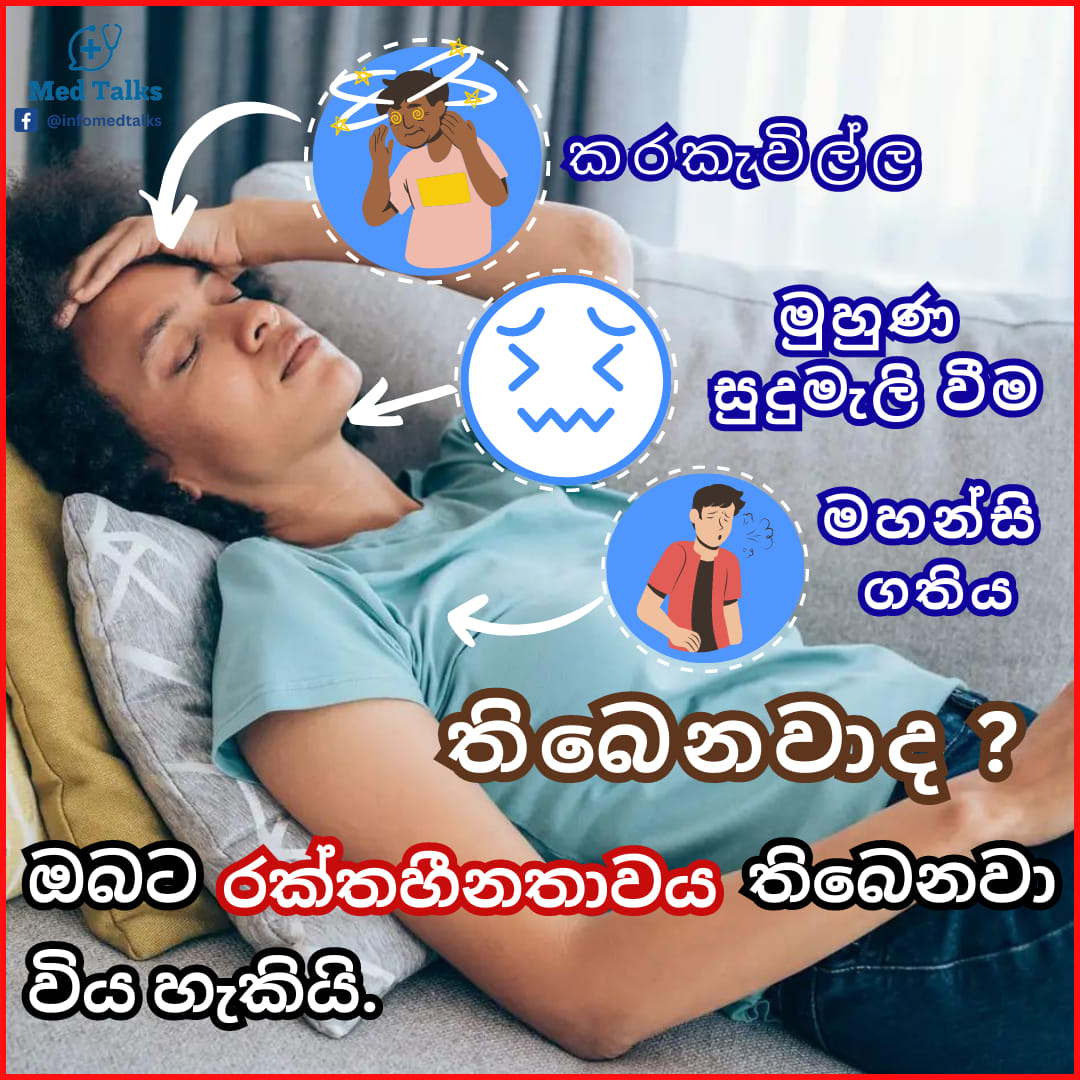
Do you experience tiredness, dizziness, or paleness of the face? You may be suffering from anaemia.
Anaemia is a condition that occurs when the level of haemoglobin in your red blood cells is reduced. Haemoglobin is responsible for transporting oxygen to the cells of your body.
When haemoglobin levels are low, your body does not receive enough oxygen, which can lead to the following symptoms:
- Fatigue and weakness
- Shortness of breath
- Pale skin, especially in the face and palms
- Headache and dizziness
Several factors can contribute to anaemia:
- Lack of essential nutrients needed for haemoglobin production, such as iron, vitamin B12, and folic acid in the diet
- Blood loss due to gastrointestinal ulcers, haemorrhoids, or parasitic infections
- Bone and joint conditions such as arthritis (inflammatory diseases)
- Hormonal deficiencies such as low thyroid hormone levels
- Drinking tea or coffee close to meals, which reduces iron absorption
In women, excessive blood loss during the menstrual cycle can also be a major cause.
Prevention of nutritional anaemia
To prevent anaemia caused by nutritional deficiencies, include the following iron-rich foods in your diet:
- Meat, fish, and eggs
- Spinach and kathurumurunga (drumstick leaves)
It is also recommended to eat fruits after main meals to improve nutrient absorption.
If you experience the symptoms mentioned above, it is important to seek medical advice as soon as possible